
Travel opens the world to new experiences, cultures and landscapes, yet staying safe requires preparation and awareness. In 2026, practical steps drawn from established guidance help travellers reduce risks related to crime, health, emergencies and disruptions while exploring unfamiliar places. A thoughtful approach before departure and consistent habits during the trip support both security and peace of mind.
Preparing Before You Leave
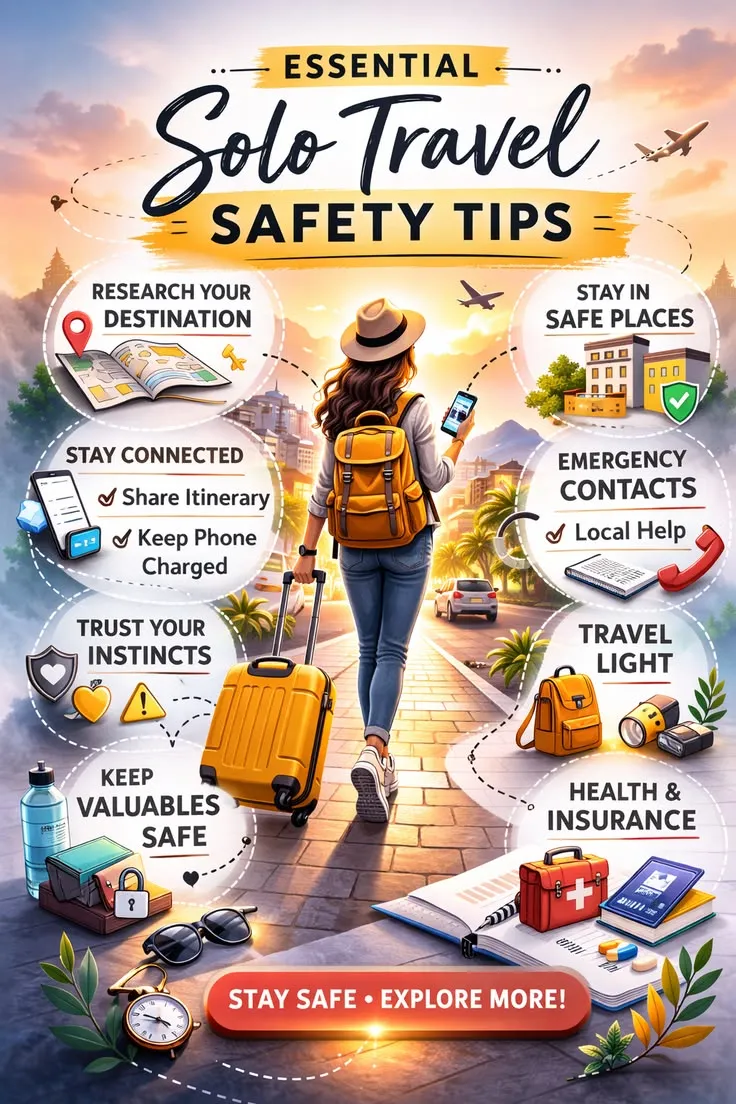
Begin by reviewing official travel advisories for your destination. Conditions can change, so check updates close to departure and remain flexible. Share your full itinerary, including lodging details and planned activities, with family or trusted contacts. Provide emergency contact information and note how you will stay in touch.
Enroll in available government notification programs that send security and health alerts. Obtain comprehensive travel insurance that covers medical care, evacuation and trip interruptions, as domestic health plans often do not extend abroad. Download useful apps for weather alerts, emergency information and offline maps. Ensure devices are updated, protected with strong authentication and equipped with location-tracking features that can be activated if needed.
Research local emergency numbers, the location of your country’s embassy or consulate, and reputable medical facilities. Pack copies of important documents separately from originals and consider digital backups stored securely.
Staying Secure at Your Accommodation
Choose lodging with basic safety features such as working smoke alarms and, where relevant, carbon monoxide detectors. Upon arrival, locate the nearest exits, count doors between your room and those exits, and review the evacuation plan. Prefer rooms that are not on the ground floor when possible, and always lock doors and windows.
In vacation rentals, verify that smoke and carbon monoxide alarms function on every level and that everyone knows two ways out of each room. Confirm that exterior doors and windows open properly. Keep valuables in a safe when available rather than leaving them in plain sight.
Protecting Yourself in Public and Against Crime
Remain aware of your surroundings, particularly in crowded tourist areas, transportation hubs and markets. Avoid displaying expensive jewelry, electronics or large amounts of cash. Use anti-theft measures such as secure bags, phone lanyards or money belts worn under clothing. Do not leave belongings unattended, including under beach towels.
Travel with companions when possible, especially at night, and vary routines. Use licensed taxis or pre-arranged transportation from trusted companies rather than informal options. Book airport transfers in advance when feasible. If confronted during a robbery, prioritize personal safety over possessions.
Limit detailed sharing of real-time location or plans on social media until after returning home. Blend in by avoiding clothing or accessories that strongly identify you as a tourist in higher-risk settings.
Health and Daily Precautions
Consult destination-specific health guidance before travel. Follow food and water safety practices appropriate to the location, and take steps to prevent insect bites where relevant. Carry a basic first-aid kit and any necessary medications in original packaging, along with copies of prescriptions.
Stay hydrated, protect against sun exposure and pace activities according to local conditions. Know how to access medical care if illness occurs and contact your insurance provider promptly when needed.
Digital and Communication Safety
Keep phones charged and carry a portable battery. Use offline maps when connectivity is uncertain. Exercise caution on public Wi-Fi networks; prefer mobile data or a personal hotspot for sensitive tasks. Disable automatic connections to open networks when not in use.
Maintain regular check-ins with contacts at home according to a pre-agreed schedule. Have a contingency plan for situations in which cellular networks or flights are disrupted.
Responding to Broader Risks
Monitor local news for demonstrations, weather events or other developments that could affect safety. Avoid large gatherings and protests. In areas with elevated concerns, keep a lower profile and maintain flexibility to adjust plans.
Familiarize yourself with local laws and customs. Respect regulations regarding photography, dress and behavior in sensitive locations. Have a basic understanding of how to contact local authorities and your embassy if assistance is required.
Building Safe Habits Throughout the Journey
Effective travel safety rests on preparation combined with ongoing situational awareness. Simple practices—securing belongings, choosing reliable transport, knowing emergency exits and staying informed—significantly reduce common risks. Contingency planning for communication and alternative arrangements adds further resilience.
By approaching new places with informed caution rather than fear, travellers can focus on the rewards of exploration. In 2026, the combination of advance research, practical tools and mindful daily habits enables safer and more enjoyable journeys across diverse destinations.
Read more – wishdua.com
