
The Inca Trail is one of the world’s most iconic trekking routes, attracting adventurers, history enthusiasts, and photographers from across the globe. Stretching through the breathtaking Andes Mountains of Peru, this legendary trail leads travelers to the magnificent ancient citadel of Machu Picchu. For photography lovers, an Inca Trail photography tour offers a perfect combination of adventure, culture, history, and extraordinary natural beauty.
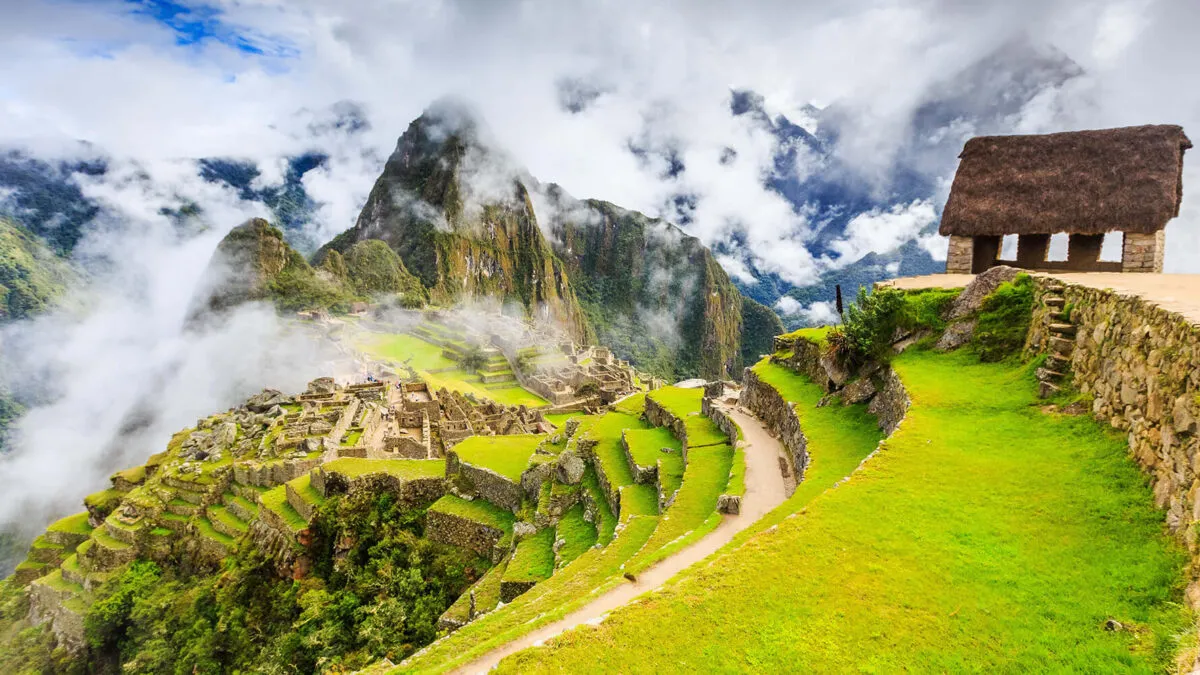
Unlike ordinary hiking trips, photography tours along the Inca Trail are carefully designed to help travelers capture unforgettable images while exploring one of South America’s greatest treasures. Every mountain sunrise, ancient stone pathway, mist-covered valley, and cultural encounter becomes an opportunity to create stunning visual stories.
Whether you are a professional photographer or an enthusiastic beginner, the Inca Trail provides endless inspiration and some of the most rewarding photography experiences in the world.
Why Choose an Inca Trail Photography Tour?
The Inca Trail is more than just a hiking route. It is a journey through history, culture, and dramatic Andean landscapes. A photography-focused tour allows travelers to experience this legendary trail with creativity and purpose.
Professional photography guides help participants capture the best images by planning the journey around ideal lighting conditions, scenic viewpoints, and hidden photographic opportunities. Instead of rushing through the trek, photography tours encourage travelers to slow down, observe details, and connect deeply with their surroundings.
The combination of ancient Inca ruins, cloud forests, mountain passes, and vibrant local culture makes the Inca Trail one of the most photogenic destinations on Earth.
The Beauty of the Inca Trail Through the Lens
One of the greatest advantages of an Inca Trail photography tour is the incredible variety of subjects available throughout the journey.
Spectacular Mountain Landscapes
The Andes Mountains create breathtaking scenery filled with dramatic peaks, deep valleys, rolling clouds, and changing weather conditions. Sunrise and sunset provide especially magical lighting for landscape photography.
Photographers can capture:
-
Snow-capped mountain peaks
-
Misty valleys at dawn
-
Golden sunlight over ancient trails
-
Rivers flowing through the mountains
-
Lush cloud forests
Every section of the trail offers unique perspectives and natural beauty.
Ancient Inca Ruins
The Inca Trail contains several archaeological sites that many regular tourists never see. Ancient stone stairways, temples, terraces, and ceremonial ruins provide fascinating historical photography opportunities.
Important ruins along the trail include:
-
Wiñay Wayna
-
Sayacmarca
-
Phuyupatamarca
-
Runkurakay
These sites are surrounded by spectacular mountain scenery, creating dramatic compositions that combine history and nature.
Machu Picchu: The Ultimate Photography Destination
The highlight of every Inca Trail photography tour is arriving at Machu Picchu through the Sun Gate at sunrise. Watching the ancient city emerge through the morning mist is an unforgettable experience for photographers.
Machu Picchu offers countless photographic possibilities:
-
Panoramic mountain views
-
Ancient stone architecture
-
Atmospheric morning fog
-
Terraced landscapes
-
Dramatic light and shadow
Photographers often spend hours exploring different angles and lighting conditions around the iconic ruins.
Cultural Photography Opportunities
The Inca Trail is not only about landscapes and ruins. The surrounding Andean communities offer rich cultural photography experiences.
Travelers may encounter local farmers, traditional villages, colorful clothing, and authentic Peruvian customs. Respectful cultural photography allows visitors to document meaningful human stories and preserve moments of everyday life in the Andes.
Traditional markets and village scenes provide vibrant colors, textures, and emotional depth that enrich travel photography portfolios.
Best Time for an Inca Trail Photography Tour
Choosing the right season can greatly influence the photography experience.
Dry Season
The dry season, typically from May to September, is considered the best time for trekking and photography. During this period:
-
Skies are clearer
-
Mountain views are more visible
-
Trails are easier to hike
-
Sunrise and sunset lighting is spectacular
These stable weather conditions make it easier to capture dramatic landscapes and panoramic views.
Wet Season
The rainy season transforms the Andes into lush green landscapes filled with dramatic clouds and atmospheric fog. While rain can create challenges, it also produces unique and moody photography conditions.
Fewer tourists during this season can also make photography locations less crowded.
Essential Equipment for Inca Trail Photography
Preparing the right gear is essential for a successful photography trek. Since the Inca Trail involves hiking through mountainous terrain, photographers should focus on lightweight and versatile equipment.
Camera Body
A weather-sealed DSLR or mirrorless camera is ideal for changing weather conditions along the trail.
Recommended Lenses
Useful lenses include:
-
Wide-angle lenses for landscapes and ruins
-
Telephoto lenses for distant mountain scenes
-
Prime lenses for portraits and low-light conditions
-
Travel zoom lenses for versatility
Tripod
A lightweight tripod is valuable for sunrise photography, long exposures, and low-light scenes around Machu Picchu.
Extra Batteries and Memory Cards
Cold mountain temperatures can reduce battery life, so carrying extra batteries is highly recommended.
Weather Protection
Rain covers, waterproof bags, and lens cleaning cloths help protect equipment from moisture, dust, and unpredictable weather.
Benefits of Joining a Guided Photography Tour
An organized photography tour offers several important advantages compared to independent travel.
Professional Photography Instruction
Experienced photography guides teach participants valuable techniques related to:
-
Landscape composition
-
Exposure settings
-
Lighting control
-
Storytelling photography
-
Night and sunrise photography
This hands-on guidance helps photographers improve their skills while practicing in extraordinary locations.
Access to the Best Photography Locations
Guides know the ideal viewpoints, lighting conditions, and hidden angles that maximize photographic opportunities.
Timing is especially important on the Inca Trail, and professional tours carefully schedule stops to capture the best natural light.
Stress-Free Logistics
Inca Trail permits, transportation, accommodations, meals, and camping arrangements are professionally organized, allowing travelers to focus entirely on the photography experience.
Safety and Support
The high-altitude environment of the Andes can be physically demanding. Guided tours provide experienced support, safety planning, and assistance throughout the trek.
Challenges of Photographing the Inca Trail
While incredibly rewarding, photographing the Inca Trail also presents unique challenges.
High Altitude
The trail reaches elevations above 4,000 meters, which can affect energy levels and physical performance. Proper acclimatization is important before starting the trek.
Changing Weather Conditions
Weather in the Andes can shift rapidly from sunshine to rain or fog. Photographers must be prepared for sudden changes and protect their equipment accordingly.
Physical Demands
Carrying camera equipment during long hikes requires careful packing and physical preparation.
Despite these challenges, the rewards are extraordinary for photographers willing to embrace the adventure.
Sustainable and Ethical Travel
Responsible tourism is essential when visiting historical and environmentally sensitive areas like the Inca Trail.
Photography tours should respect local communities, preserve archaeological sites, and minimize environmental impact. Travelers should follow designated paths, avoid damaging ruins, and treat cultural interactions with respect.
Supporting eco-friendly tour operators helps protect the Inca Trail for future generations.
Photography Tips for the Inca Trail
To capture the best possible images during an Inca Trail photography tour, travelers should focus on patience, creativity, and observation.
Helpful tips include:
-
Wake up early for sunrise lighting
-
Use leading lines created by ancient stone paths
-
Include human subjects for scale and storytelling
-
Experiment with mist and cloud formations
-
Focus on details like textures and traditional clothing
-
Capture both wide landscapes and intimate moments
The most memorable photographs often combine emotion, atmosphere, and storytelling.
Conclusion
An Inca Trail photography tour is more than a hiking adventure — it is a journey through history, culture, and some of the world’s most breathtaking landscapes. From ancient Inca ruins and dramatic mountain scenery to authentic Andean culture and the unforgettable beauty of Machu Picchu, every step along the trail offers incredible opportunities for photography.
