
Planning a vacation should fill you with excitement, not anxiety. Yet even experienced travelers fall into avoidable traps that turn dream getaways into logistical nightmares. From paperwork pitfalls to packing errors and poor timing, the most frequent travel mistakes share one trait: they are almost entirely preventable with a bit of foresight. Drawing on insights from travel advisors and common traveler experiences, this guide highlights the key errors that derail trips and practical ways to sidestep them so your next vacation stays smooth and enjoyable.
Overlooking Passport Validity and Entry Requirements
One of the most trip-ending mistakes is traveling with an expired passport or one that fails the common six-month validity rule. Many countries require passports to remain valid for at least six months beyond your planned departure or return date. Airlines and border officials enforce this strictly, and boarding can be denied even if the document has not yet expired. Equally problematic is arriving without the necessary visa or electronic travel authorization. Requirements change frequently, and some visas take weeks to process. Blank passport pages also matter—certain destinations demand two to four empty pages for stamps.
Check your passport’s expiration date the moment you begin planning. Confirm visa or authorization needs for every country on your itinerary, including layover points, well in advance. Keep digital and printed copies of key documents stored separately from the originals. These simple steps eliminate last-minute scrambles that can cancel an entire vacation.
Skipping Travel Insurance
Travel insurance often feels optional until something goes wrong. Flight cancellations, medical emergencies abroad, lost luggage, or sudden trip interruptions can cost thousands without coverage. Advisors repeatedly note that skipping insurance leaves travelers exposed in an unpredictable world of weather disruptions, airline issues, and health surprises. Policies that include trip cancellation, medical evacuation, and baggage protection provide genuine peace of mind.
Purchase coverage soon after making your first trip payment. Review the policy details carefully so you understand exclusions and claim procedures. The modest premium is far less painful than absorbing major unexpected costs while far from home.
Booking Too Late or Choosing Nonrefundable Options
Waiting until the last minute frequently results in higher prices, limited availability, and fewer choices for hotels, guides, and preferred flights. Popular destinations and experiences often book up a year or more in advance. Equally risky is locking into nonrefundable airfares or accommodations. Wrong dates, sudden changes in plans, or simple booking errors become expensive lessons when refunds are unavailable.
Once you decide on a destination, begin research and reservations early. Opt for flexible or refundable rates when possible, especially during uncertain times. A travel advisor can leverage relationships for better options and support if changes arise.
Tight Connections and Late Airport Arrivals
Missing a connection ranks among the most stressful and common failures. Short layovers leave little margin for delayed flights, long terminal walks, or security and customs lines. Insurance providers have grown stricter about covering connections shorter than two hours in some cases, and experts often recommend at least four hours for complex international transfers. Arriving at the airport with insufficient time compounds the problem—traffic, check-in queues, and security can easily eat an hour or more.
Aim for at least two hours before domestic flights and three hours for international ones. Build generous buffers into itineraries. Pack essential medications, a change of clothes, and critical documents in your carry-on so a delayed bag does not leave you stranded.
Overpacking and Excess Baggage Fees
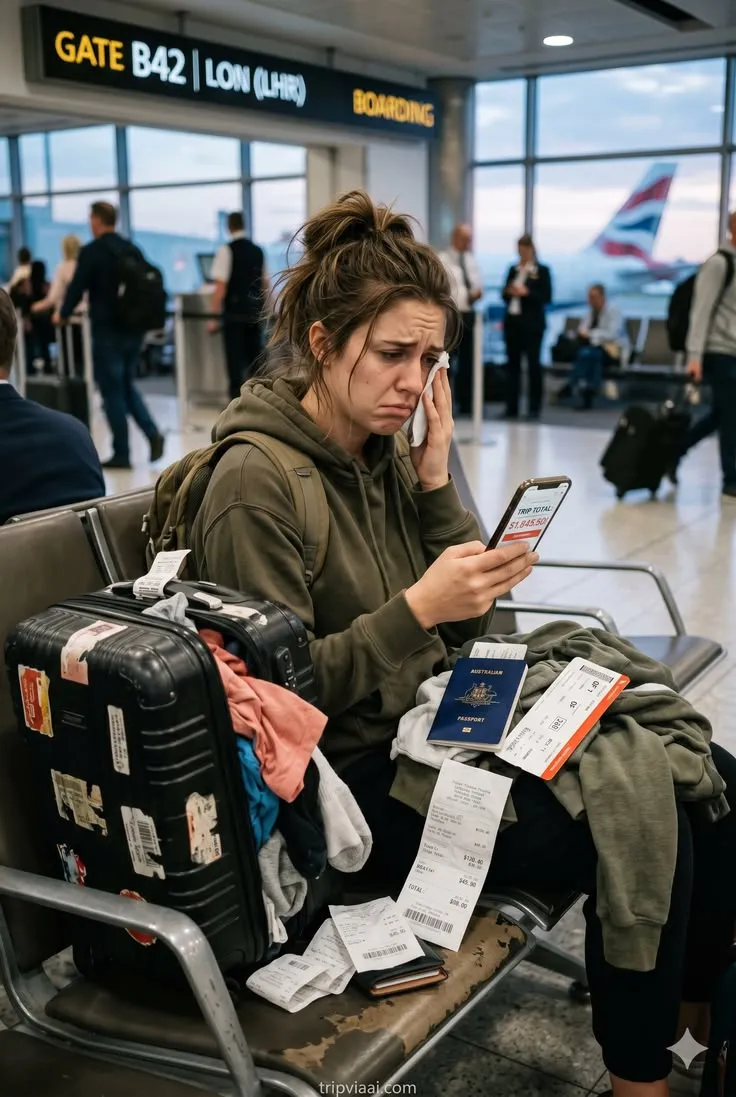
Many travelers pack for every hypothetical scenario and end up with heavy, oversized luggage. Airlines charge steep fees for overweight bags, and schlepping excess weight through airports and destinations quickly becomes exhausting. Hotels frequently offer laundry service, reducing the need for large clothing wardrobes.
Create a focused packing list built around mix-and-match outfits suitable for the actual climate and activities. Weigh bags at home before departure. Keep valuables, medications, and one change of clothes in your personal item under the seat rather than in the overhead bin, where bags can occasionally be taken by mistake.
Money and Banking Missteps
Exchanging currency at airport kiosks or hotel desks almost always means higher fees and poorer rates. Bank ATMs typically offer better market rates. Failing to notify your bank of international travel can trigger fraud alerts that freeze cards just when you need them most. Relying solely on cards also creates problems in places that prefer cash.
Withdraw a modest amount of local currency from a bank ATM upon arrival or use a no-foreign-transaction-fee card. Inform your bank of travel dates in advance or enable travel alerts through the banking app. Carry a small cash reserve for markets, tips, and emergencies.
Ignoring Local Customs, Research, and Jet Lag
Skipping basic research leads to cultural missteps, inappropriate clothing at religious sites, or unexpected weather. Assuming a destination is always warm or following an outdated online post can leave travelers unprepared. Over-scheduling every hour of the day produces burnout and misses the chance for spontaneous discoveries. Jumping straight into activities after a long-haul flight without accounting for jet lag can waste the first precious days.
Spend time learning basic etiquette, dress codes, and seasonal conditions. Leave breathing room in the itinerary. Adjust sleep schedules a day or two before departure, stay hydrated in flight, and seek natural light upon arrival to ease the transition.
Other Preventable Pitfalls
Booking the wrong airport—Melbourne, Florida instead of Australia, for example—happens more often than expected. Driving in unfamiliar countries without understanding local rules invites tickets and stress. Failing to secure proper documentation for rental cars or medications that are restricted abroad can halt plans abruptly. Even something as simple as sunburn ranks high among holiday mishaps in traveler surveys, easily avoided with sunscreen and shade.
Building a Smoother Travel Habit
Most of these mistakes stem from rushed planning or assumptions that everything will go perfectly. Successful travelers treat preparation as part of the adventure. Verify documents early, buy insurance promptly, pack thoughtfully, allow realistic time buffers, and research the practical realities of the destination. When the unexpected does occur—and it sometimes will—flexibility and preparation make recovery far easier.
A well-planned vacation creates lasting memories rather than stories of near-disasters. By avoiding these frequent errors, you protect both your budget and your enjoyment. The next time you start dreaming of a getaway, begin with the fundamentals. Your future self, standing in a beautiful destination with no paperwork worries or packing regrets, will thank you. Safe and smart travels.
Read more- marathimeanings.com
